On a crisp morning by the water, a few friends gathered to share time, conversation, and the simple pleasures of traditional arts. Surrounded by the beauty of nature, we created a small space of stillness away from the pace of everyday life.
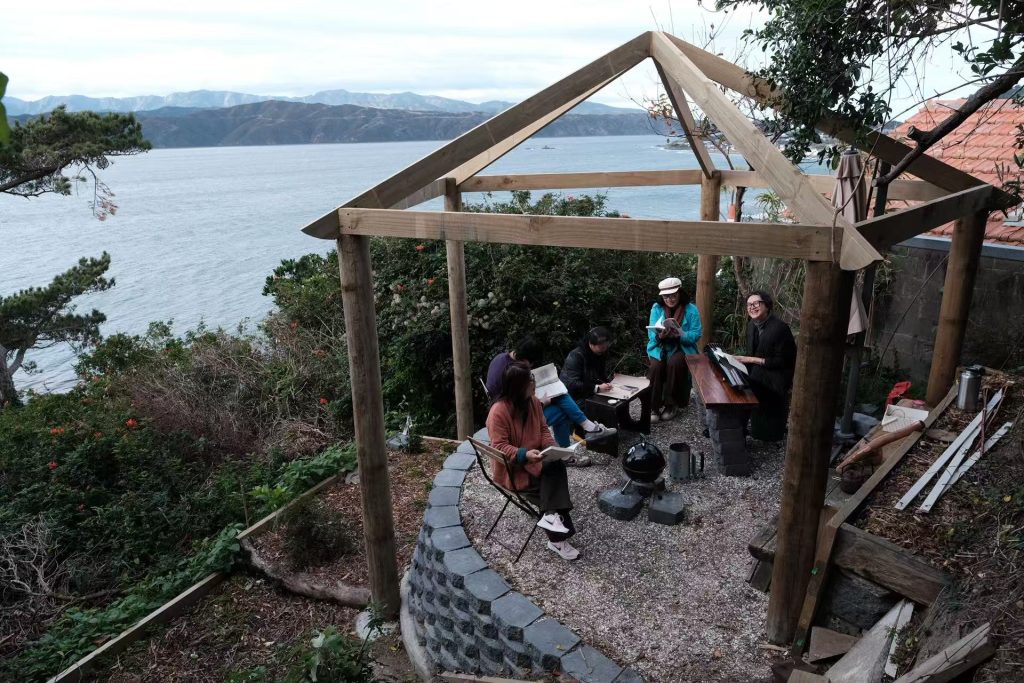
Together we read from Xishan Qinkuang (溪山琴況), one of the most important texts on Guqin aesthetics. We focused on the opening chapter, “Harmony” (和), reflecting on its teachings about balance, moderation, and the unity of sound, mind, and spirit. The discussion flowed naturally as each person shared their understanding and personal insights.
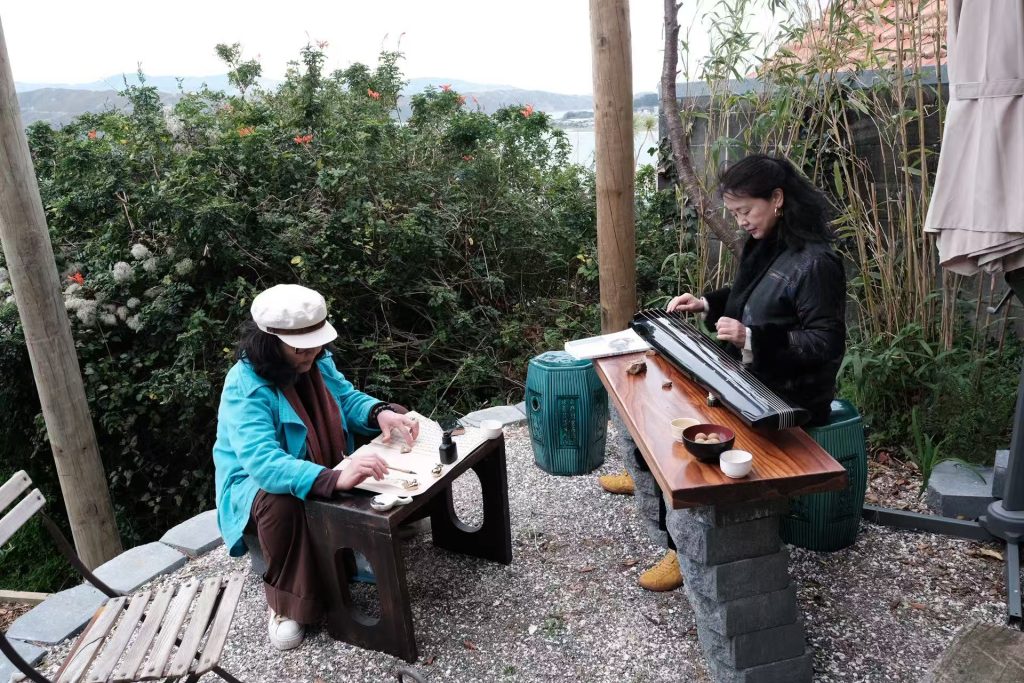
Inspired by the text, I spent time copying passages in small regular script (小楷). With each brushstroke, I found myself slowing down and becoming more attentive. The practice of calligraphy felt like a continuation of the ideas we were reading about—an exercise in patience, focus, and inner harmony.
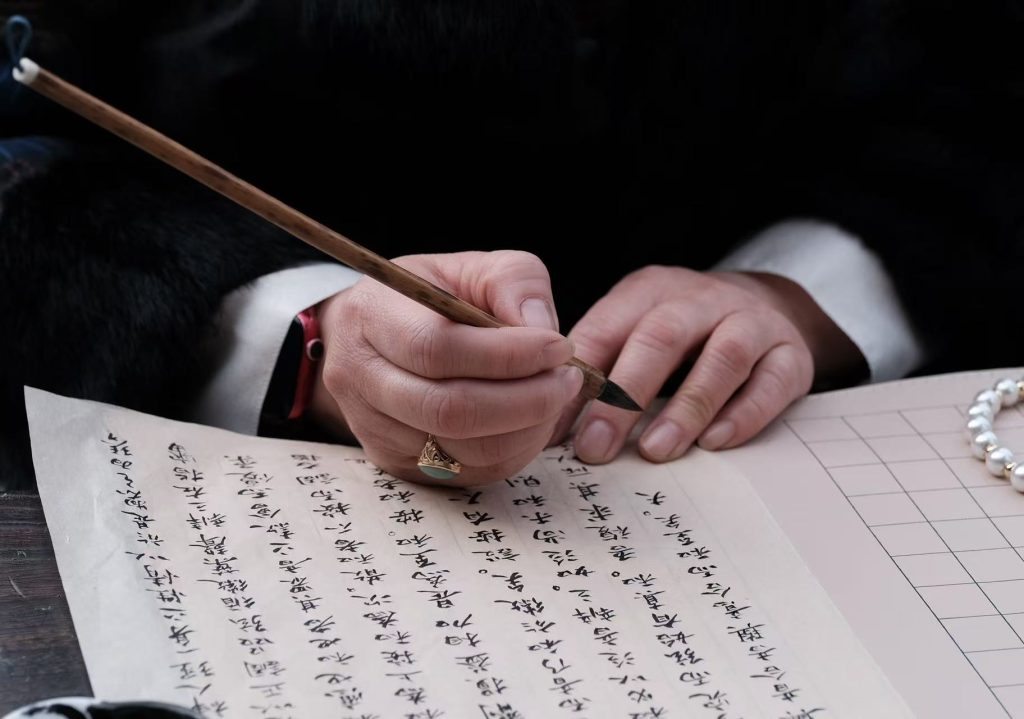
The gentle sound of the Guqin accompanied our gathering. As the music drifted through the garden, mingling with birdsong and the breeze from the sea, the words of the ancient text seemed to come alive. Some listened quietly, some read, some wrote, and some played. There was no need for a schedule or agenda; the morning unfolded naturally.
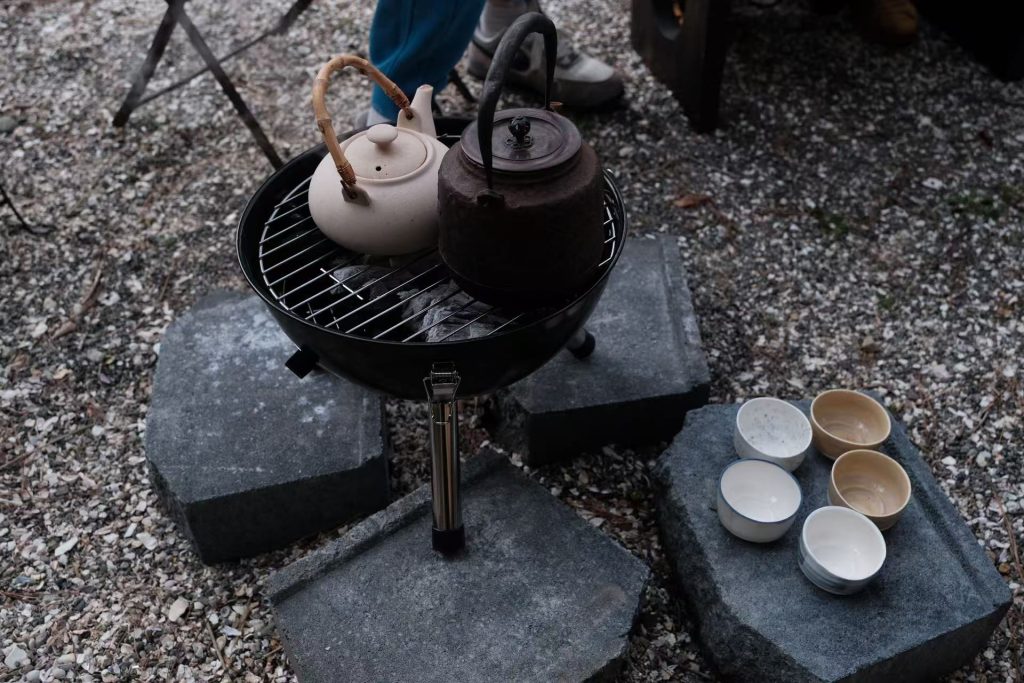
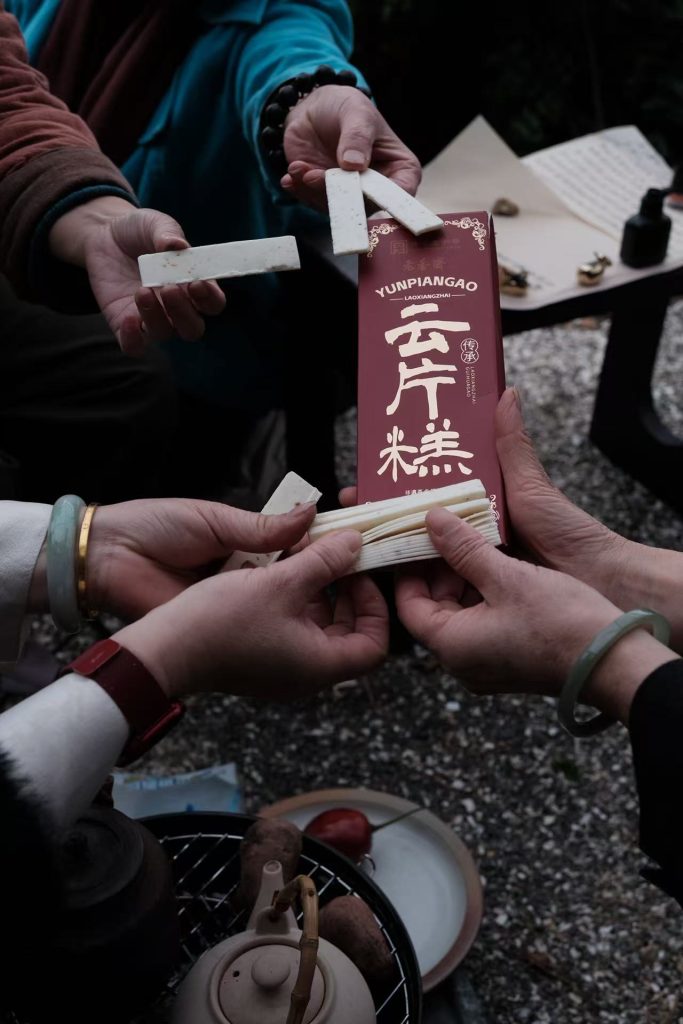
Tea accompanied our gathering, along with some special Yun Pian Gao (云片糕) brought back from China. Delicate and fragrant, it paired beautifully with the tea. Later, we gathered around an outdoor fire to roast kūmara, adding warmth and comfort to the cool morning air.
It was a simple yet deeply nourishing time—friends coming together through music, books, tea, and shared reflection. A morning that truly embodied the spirit of harmony (和).